Oh hey there, I′m glad you're here!

How to Stand Out Online, Even When Everyone Sounds the Same with Dorie Clark

CLICK HERE FOR TRANSCRIPT
Allea Grummert (00:12)
Hey there, welcome to Happy Subscribers, a podcast that explores how bloggers and content creators can create more purposeful relationships with your audience through email marketing. I’m Allea Grummert, email marketing strategist, copywriter, email platform expert, and founder of the done for you email marketing agency, Duett I started as a personal finance blogger in 2016 and have since helped hundreds of bloggers and creators like you maximize your email marketing for more impact, more traffic, and a better connection with your subscribers. Be prepared for some advanced email talk, as well as tactical tips to help get your valuable content into the hands of your audience faster and easier. I’m excited you’re here, so let’s do it. We can create a deeper, more meaningful connection with the community you love and serve through email. Today I get to introduce you to, or perhaps you already know her, my friend Dorie Clark. Dorie and I met through a mastermind about two years ago, and I’ve had the privilege of speaking to her group program, Recognized Expert. She is a host of knowledge, experience, and education around helping professionals and organizations amplify their ideas in a competitive landscape and achieve long-term success by becoming well-known for what they do. That’s part of her work. Dorie has been named one of the top 50 business thinkers in the world by both Thinkers 50 and InkMag. She is a keynote speaker and teaches executive education at Columbia Business School. She’s also the Wall Street Journal and USA Today bestselling author of The Long Game, Entrepreneurial You, Reinventing You and Stand Out, which was named the number one leadership book of the year by Ink Magazine. A former presidential campaign spokeswoman, she has been described by the New York Times as an expert at self-reinvention and helping others make changes in their lives. She writes frequently for the Harvard Business Review and Fast Company, because of course she does. She’s a rock star. Dorie, I’m so glad that you’re here with me today.
Dorie Clark (02:08)
Allea thank you. I’m so glad.
Allea Grummert (02:10)
Girl, your rap sheet is like, thanks for spending time with me on my podcast. Well, is there anything that I didn’t share that you think would be helpful for listeners to know about you or your work? Fill me in.
Dorie Clark (02:18)
Back at you. You covered a lot of ground, like craft cocktails and ping pong, but you know, aside from that.
Allea Grummert (02:33)
My favorite cocktail bar in town has $6 old fashions during happy hour. And it’s a good sliver of my personality. But we must, you’re in town, we must go here, Lovecraft cocktails.
Dorie Clark (02:46)
Sounds pretty good,
Allea Grummert (02:48)
Okay, so we live in a world where there’s first of all just so, so, so much noise, but also we’re all running these individual businesses where we need to be seen and we need to be known. Like how do we balance that, Dorie? How do we maintain our business in a world that is so busy?
Dorie Clark (03:11)
That is definitely the question. And I came to it, Ali, the way that I think so many of us do. I started my business working for myself as a consultant and an executive coach 20 years ago now. It was 2006. And I did it retrospectively in kind of the exact wrong way. I like left my job and then I was like, great, now I’m gonna figure out how to get clients, which I would never advise someone to do. You get the clients before you leave your job. That’s the whole point. That’s what you need to do. But I did not know that at the time. And so was just sitting there and all of a sudden it’s like, had all this time on my hands. I’m like, my God, how do I get clients? And I had to do a crash course in visibility. And it was very stressful because it suddenly felt like once I started looking into things, my gosh, you know, everyone’s a coach, everyone’s a consultant. And I’m sure that most people feel that way. everyone’s a creator, everyone’s a blogger, whatever it is. And there was this desperate need to distinguish myself in the marketplace because I realized if I did not crack that code fast, I would not have money coming in. And so I embarked upon a pretty deep dive over the next decade to try to figure out how to solve the visibility and recognition problem for myself. And then it was so kind of complex, that I really wanted to help other people with it because I just felt like, it should not be this complex. I want to make it easier for others who are doing good work to get recognized without all the mischegoss and trying to figure out hidden things.
Allea Grummert (04:50)
My goodness. First of all, a decade? A decade? That’s like so much. man, so much changes in a decade.
Dorie Clark (04:57)
True, yeah. mean, in 2006, when I was first getting started, that was literally the year that Facebook first became accessible to the public. And now it’s like, oh, OK, half the people are running their businesses on Facebook and half the people are like, oh, Facebook is so passe. We’re onto other things. So yeah, there’s a lot that happens, but there’s also a lot fundamentally that stays the same as well. And I’m interested in both.
Allea Grummert (05:24)
That was going to be my question then. was like, please tell me that it doesn’t have to shift every couple of years. Surely there are some core principles or questions to ask yourself or ways to assess the market. I know that this is stuff that you coach on. You don’t have to give us all of the secrets, but what are some of the principles that stay the same, the fundamentals?
Dorie Clark (05:46)
Yeah, actually took me about a decade. It took me about a decade to figure out the principles to be able to articulate them. But now I feel like I actually have a pretty good sense of what are the time tested elements of becoming a recognized expert. And the three that I’ve identified, and I’ll break all of these down in a little bit more depth, ⁓ but they are content creation, social proof and network. And the reason, that these are the critical ones, content creation, which I think most of your listeners fortunately do a great job in already, is it is incredibly hard to be known for your ideas if you are not sharing them publicly. What? There’s just… I know, it’s crazy. But there is fundamental structural limits on the number of people who personally know you and think you are awesome and are willing to tell other people. But when we are blogging, when we are creating on social or whatever it is, it gives you a ⁓ packet of content that people can share that can be spread indefinitely. So that becomes really valuable so people understand, yes, you have good ideas. Number two is social proof. This is basically why do people take those ideas seriously? Why are they listening to you in a noisy world? And so it is the kind of signifiers that you can amass to show people, hey, listen to me if you are sharing health advice, it certainly helps if you are a doctor or if you’re a dietitian or whatever it is. If you are a business consultant, it really helps if you’re able to say, well, I’ve worked with Google, I’ve worked with McKinsey, et cetera. But for every industry, there are things like this. could be places that you’ve been quoted in the media. It could be conferences you’ve spoken at. It could be people who’ve endorsed your book or endorsed your blog or people you’ve done collabs with, whatever it is. But there are markers of credibility. And the third related to this is your network because you need other people to spread the word about what you’re doing. And also it’s really hard to be considered a recognized expert in your field if the other people who are recognized experts have never heard of you. So being part of that mix is really important. Those three factors circle around and they create a virtuous circle. So that’s version.
Allea Grummert (08:06)
You’re so efficient. I’m so glad you spent those 10 years working on that. Yeah, that shows. ⁓ one that shows that with the content creation that it can change, whether it’s Facebook or Twitter or a blog post or like a podcast, for instance, like rock it. Just for instance. Yeah. And so that way, the medium itself can change if the market is changing. But the fact that you have a basis and assets with your name on them. That’s, that is time tested.
Dorie Clark (08:43)
Yeah, that’s exactly right. I have always been really platform agnostic when it comes to how the ideas are shared. And if you’re talking to an audience of people who, you know, like they’re professionals who work inside a company, for instance, maybe the way that they’re sharing ideas is something as simple as like speaking up more in meetings. You know, that’s a small scale way that you can do it. But if your audience is just like your boss and your colleagues, that matters. That makes a difference. Speak up more, you’ll get your ideas heard more. If you are looking to play on a wider, more public scale, then maybe it looks slightly different. And there’s, of course, the combination, right, the kind of Venn diagram of the method of the moment that has cultural ascendancy and also the place where you are particularly skilled. I would say that Twitter/ X is not necessarily as culturally salient right now as it was in the past. But for some people, that’s their medium. They love it. They’re very good at it. And you can still do very well, even though it’s not talked about necessarily as much as it once was. And it’s true for all sorts of things like that. even if the thing that speaks to you is not what is trendy at the moment, ⁓ there’s no reason to write it off. That can still be your thing. And in fact, it might be better because it means there’s less competition.
Allea Grummert (10:04)
And then when you feel more at ease creating in that platform, it’s going to be more fun and you’re more likely to do it That’s I always have a friction with Instagram. Maybe in six months. I won’t have that friction anymore We’ll see but it’s the same thing. I’m like, love scrolling Instagram But I don’t know how to like post I always joke them like my thumbs are too fat to be typing little letters, gosh, okay, so when I think of visibility, right, we’re thinking about showing the outside world, whereas would you say email marketing is more the inner circle, the inside, because it’s not so public? Or how would you view email marketing in that lens?
Dorie Clark (10:49)
Yeah, so I’m a big fan, a big partisan of email marketing for sure. So think we share a similar philosophy about its importance. And I think that ultimately, email marketing is, know, like, let’s be honest, there’s strengths and weaknesses. It’s not the best for discoverability, right? But it is fantastic for deepening your relationships and your connections with people who have at least raised their hands to be interested enough in what you have to say. So understanding what email marketing is kind of good for and not good for is really valuable. But for anyone who has a business that is especially a trust based business, like a lot of the people that I work with, they might be selling courses or online communities or professional services, they’re coaching, they’re consulting, things like that. These are often big ticket items, right? I mean, you don’t have to trust someone that much to give them $10 or whatever. It’s like, all right, well, you know, will they give me literally the thing they said they would give me? Yeah, okay, I’ll try it out. Whatever is low risk. But if you’re willing to give someone, you know, $10,000 or $50,000 or even more, you really need to feel good about that person and about that equation. And the way you do it is by deepening the sort of parasocial relationship. mean, just sort of in the way that everybody talks about how people would walk up to Jennifer Aniston and everybody felt like, she’s my best friend because they watched her so much. Female can do that for you with your clients and your prospects is they are able to spend a lot more time and a lot more depth with you than you are with them. And so they walk into the meeting with you already at a different and much further along stage in the buying process and in the consideration process because they’ve, know, the email is the quality.
Allea Grummert (12:45)
And I know that we’ve got, know, funnels like webinars and things like that, that are a little bit more of a longer sales cycle. I’m going to quote longer because I know some people have like two year sales cycles or whatever, someone will meet with them. But if we’re selling like a $2,000 course or something, you kind of have the lead up to the webinar, the webinar itself, which is more like face to face and in real time. And then you have your follow up conversations for like a week after. So it’s not like a weekend flash sale, you’re building it out and you’re kind of building a case for why you need to come to the webinar or why you need to register, why you need to come live, and then why the program that’s being pitched afterwards would be helpful to you. So there’s just like all of these layers of keeping and maintaining that trust, but also like, I don’t think people realize like how much you have to focus each of those. Like those are three parts of the same campaign, but they each have a very different purpose. And so like that’s one way I would say you could leverage email marketing, but I’m curious from like a service-based perspective, or maybe not, even just content creation in general, but how do we best leverage email marketing in like, like, it messaging? Is it frequency? Is it tone? Is it storytelling? Do you have any insight on like, what is, what will really help cement our expert status in people’s minds that they come and ask us questions first or come to our website first?
Dorie Clark (14:08)
Yeah, there’s a couple of key points that I want to touch down on first. The first one where I think email marketing really shines in a way that, you know, social, for instance, doesn’t and can’t because, know, it’s social. It’s like, all right, it’s not really like I can do targeted Instagram messages. I mean, it could with paid ads, but if I’m doing organic stuff, it’s, you know, everyone’s seeing the same thing basically. Whereas for email marketing, I think segmentation and tagging is just about one of the most powerful things in the world because if you really want to build trust with someone, they need to understand that you are speaking to them and that you’re not going to give them a bunch of irrelevant crap that they don’t want. And so it is such a ⁓ kindness, I think, and like a mutually beneficial thing for you to be able to segment things appropriately enough so that you are not bothering people who do not want this thing. It’s just like so simple and sometimes people miss it or they don’t think about everything. ⁓ well, you know, they might think they don’t want it, but actually once they read all of my sales sequence, then they’ll know that they want it. It’s like, my God, no. wait for your pitch. Wait for another day for a thing that someone actually wants and don’t try to force it down their throat because most likely they will unsubscribe and you will lose that person. But if you can consistently give people information that they are genuinely interested in at the time that they want it then that is a fantastic trust-building thing I think that that’s point number one point number two with regard specifically to social proof and you know how to how to cultivate the Sense of both trust and authority that you need for people to be willing to spend You a couple of grand or more working with you. I think and I know Ali This is something you work with your clients on a lot is a welcome sequence is really important in terms of setting the tenor about like who is this person? What is their credibility? And so being thoughtful about the order in which you’re presenting information, what are your kind of greatest hits, so to speak, in terms of articles or podcasts or whatever that you’re directing them to so that they can see what you talk about and strategically referencing things. I mean, not, you know, hitting them over the head, but, you know, if you if you have a key affiliation, if you have clients that you’ve worked for that everybody in your field has heard of, there’s like this killer media thing that you did where, my gosh, you were on this TV show or you’re on this big podcast that everybody listens to, that’s the place to put that in so that people can say, I can relax. I don’t have to have my skeptic hat on anymore because this person has shown me that they are trusted by the people I trust, and so then they can relax and just listen to you. But I’m curious, how do you think about that in the context specifically of welcome sequences?
Allea Grummert (17:04)
Yeah, I used to work in video production. I don’t know if I ever told you that, but we did a lot with Aristotle’s Returnical Triangle. So just the elements of backstory, credibility, and likeability, essentially. so building that into the welcome sequence as well. And then we always like to do research on our clients’ audience. And we want to figure out, what is it about Suzy that people already love about what she’s doing? So it’s not necessarily reinvent the wheel, Suzy, on how you engage with your audience. It’s like, no, these things that you’re sending out once or twice a month, people love them. Now we just need to make sure that the new people know that they’re going to be coming and that they will love them. You can almost guarantee it because your audience currently loves it. And so it’s just like, how do we reinforce what is already happening that is good? It will make their lives easier to relieve them that they are in the right place. And so much of like if you don’t have a welcome sequence, they have no idea what’s coming. They don’t know who you are. They might not hear from you until your next newsletter. And then they’ll be like, who are you, Suzy? Like, no, like we want to be able to fill in that gap and be like, so glad you’re here. This is my story. This is how I got into it. Like, you know, I started out as a personal finance blogger. That’s that’s usually my segue. And I’m like, and then I ended up here and now I’m doing email marketing for bloggers. And yeah, so like getting to tell that story also fills in the gaps as they first on your list. And I think it builds a lot of trust. Yeah. And then I include GIFs right away because I’m just a goofy GIF user. And I’m like, if you’re not here for this vibe, I don’t know. Maybe go somewhere more boring. I make email marketing fun. And I’m so glad you’re here. And I think it’s like Mark Anthony is even just like, it’s too much. It’s too much talking about like, email marketing. Like, I don’t know. I wrote that email in 2020/2019.
Dorie Clark (18:32)
Yeah.
Allea Grummert (18:56)
And it’s still running in my welcome sequence. So I can’t even tell you what it’s about. My bad. But yeah. So and then we oftentimes like if clients have a product or a membership or something, sometimes it’s just a light mention. It’s like and then there’s this thing that I have. Like we’re not necessarily hard selling someone right out of the gate. It’s like, hey, you’re new here. You should at least know this is where you can interact with me. Got a free YouTube channel. I’m on Instagram. I also have this paid membership that helps you do X, Y or Z.
Dorie Clark (19:27)
Yeah, perfect. Exactly. think sometimes people confuse hard cells with just like making people aware of something and like they feel like, man, I don’t want to upset them by selling, you know, or whatever. And it’s like, you’re not even really selling if you’re just making someone aware of something. You’re providing context. And if they want, they can go look at it. If they don’t, you’re not holding a gun to their head. It’s okay. There’s a very wide spectrum between letting them know a thing is possible and pushing them really hard to enroll now, now,
Allea Grummert (20:05)
Well, and that, I mean, that opens up a whole other kind of can of worms with the online space where some marketing is just framed as do it now or your life’s not gonna be what it could be. And you’re like, I don’t know if I like that messaging actually. And so there are just some different ways you can approach selling as well. It’s not all like, here’s a timer. You know, I think we’ve kind of hopefully, I’m gonna say hopefully eased our way out of a lot of like the high pressure tactics of marketing. And that kind goes back to what you were saying, is if you’re selling to people at the right time, it’s not going to feel like you have to get every sale wrung out from a webinar. So for instance, if somebody doesn’t register for a webinar, they don’t get the come attend us live webinar reminders, and they don’t get the sales emails. They don’t. Run the same promotion to the same webinar six months later, and maybe they’ll join.
Dorie Clark (20:58)
Exactly. Exactly. Yeah. mean, I think people have been just burned too many times with the same tactics. if scarcity can be really powerful when it’s genuine scarcity or when, you know, when we’re thoughtful about how it’s applied. But sometimes people just sort of use a playbook so indiscriminately, because, this is how it’s done. I need to do it this way. And they’re copying sometimes from the most visible people who are not always the people that necessarily in their day-to-day life would be the ones that they would model themselves after. I think, there’s a pretty broad spectrum in terms of how you can do online marketing. And for me, I mean you know, not to be too mad about this. I my most recent book is called The Long Game. So I do like playing The Long Game, but if someone doesn’t want to buy from me now, I don’t want them to buy from me now. I would rather them be on my list and come back to me in four years, which a lot of people honestly do. And then they are happy to buy. And what is great about that is that I actually erect fairly stringent boundaries. I tell people for my online and community that there’s no refunds. And I’m like, no, sorry, if you have any hesitation whatsoever, do not join. they get, no, the good news is they get lifetime membership. So it’s not, if they get busy, it’s not like, oh my God, they’ve missed it, they’ve thrown away their opportunity. It’s like, you have lifetime membership, come back when you’re not so busy. That’s cool, that’s totally fine. But I don’t want the kind of people who are like, well, I thought about it, but then I changed my mind two days later. Like, if you don’t want to do it, then go with God. I don’t need your money. Go to Google.
Allea Grummert (22:57)
Go, go, you know, and maybe it’s like, go figure out what the next step is for you if this is not it. Yeah.
Dorie Clark (23:02)
Yeah, exactly.
Allea Grummert (23:05)
Hey, if you enjoy what you’re listening to and want even more of this, go to duet.co/happy for a few different free resources. And while you’re there, you can also join my email list, which is where I share so much valuable content that you really cannot get anywhere else. Plus you can reply back at any time to any email and it will go to my inbox. And if you’re curious about Duett and our services and how we work with clients, you’ll find links to that there as well. Go to duet.co/happy and I’ll include the link in the show notes so that you can grab more. So I’m curious how you have built your community over email, Dorie, like how you’ve built that, I mean, expert status. Clearly, I mean, I read your bio. We don’t need a whole lot more to know that you’re the expert, but over email, how are you maintaining these deep relationships, this long game? You you’re not always selling something, but how are you sharing about you, your social proof, what’s your content creation look like? Tell me everything.
Dorie Clark (24:10)
Yes, yes. Well, I do, of course, have an email list, a of broader email list that ⁓ goes out. Typically on a weekly basis, sometimes it’s a little more, sometimes a little less, depending on what the season is. ⁓ But generally, that’s the vibe. And I do, of course, have an onboarding sequence for people. But I try to share very value-filled content. And I’ll put out a promotion sometimes if I have a you know course or a workshop or you know if I’m doing a launch around recognized expert my community I’ll certainly use email to market that but the vast majority of the time I’m trying to do informative content that helps people connect and sort of get a sense of what I talk about as just a way of staying top of mind providing hopefully value to them and Just being being on people’s radar because you know you never know who’s on who’s on your list. It’s far too many people for me to go through each one individually. So mean, there’s people who work for companies that invite me in, or there’s people who might want to join a program or whatever. so staying top of mind and just sort of having a cycle of generosity through the email list, I think, is valuable to me in general. And then I do, of course, have ⁓ a monthly email list for my recognized expert community. And so I keep people up to date once they’ve joined the community for various things that we’re doing. We have a regular monthly live webinar that we do. I’ll always give people updates about that for the scheduling. And we’ll have in-person meetups. We had one two days ago in New York City. We had one a couple of weeks ago in Silicon Valley. So, you know, we’ll let people know about those cool meetups so they can participate in person as well. And just, you know, any other news items. But it’s a way of keeping the community tight above and beyond the LinkedIn group that we also maintain.
Allea Grummert (26:14)
And it allows you to make sure everybody sees it. Kind going back to like social is social. Like if you’re not in the LinkedIn group, will you miss it versus an email with a call to action, like adding this to your calendar or register if you’ll be there, those kinds of things.
Dorie Clark (26:28)
That’s exactly right. And in fact, for the for the meetup we had in New York City, I had a bunch of people who, you know, I mean, I think most people try to check the LinkedIn group regularly, but you know, they get busy. They don’t always do it. So they did not see it. But when the email came through, they said, oh, my God, I want to do this, you know, sign me up. So we were able to turn out a number of other people. We, we didn’t have like 15 people having brunch together in New York City was really fantastic. So that was a lot of fun and that’s definitely a great way to keep an online-based community very active.
Allea Grummert (27:01)
I love that email can do that. Like I did a Nashville creator community meetup like over a year ago and I just put a little PS in my email. was like, if anybody’s in Nashville, let me know. And that’s how I got a couple more friends, now friends who came to that event here locally and it had nothing to do with Duett. It was just like anybody else running a business online want to get together? And yeah, I love taking what is online offline when possible.
Dorie Clark (27:28)
That’s really cool. love that. And yeah, talk to me. Talk to me more about how you think about email in a context of community building. That’s interesting. And I feel like doesn’t get talked about.
Allea Grummert (27:37)
Ah, I feel like I had a, this was a bigger piece of my pie early in 2020, maybe 2019 even, is that I hosted a weekly, not weekly, goodness sake, I wouldn’t have time for that, a monthly round table event. So I actually hosted a Zoom call. So I’m gonna call it, it’s offline, as in like not just a one way conversation, but I actually opened up a Zoom room and just had a topic around email that I would tee up and then just be open for questions about that topic, about other things. And it really took us out of our usual receive email, read email, archive email, receive, read, archive. And it was like, here’s a space where we can actually ask questions in real time. And I loved that. I’m pretty sure I was doing it even before 2020, before lockdown. And I was just feeling like I just know that there are people in my community that have questions that if I could answer it, they wouldn’t be stuck anymore. That was my motivation. I was like, if you’re just like, I’m stuck between flow desk MailChimp and Kit, what do I do? I’m like, let me answer that for you. And then tomorrow you can start sending emails because that’s no longer a question on your plate. I just saw a lot of like kind of spinning wheels and I was like, let me in there. Just ask me. ⁓ And so, yes, that was one way I did it. I did that every month for two and a half years. I know it generally. It generated like zero sales story, which is why eventually I was like, maybe it’s not the best use of my time, but it was really, really cool for community building.
Dorie Clark (29:06)
Yeah, yeah, I love that. I wonder what is the way that that could be reconstituted that did generate sales. That’s kind of the
Allea Grummert (29:13)
I mean, if you’re willing to work with me on that right now, we can talk about it. I do know some folks, I’ve been invited to like, like they have like more like private invite type of social network things where it’s put on by the service provider, like a coach or something or ads, Facebook ads person. And so it’s a way for you to meet other professionals, but eventually they do kind of pitch their own services. I haven’t ever done that.
Dorie Clark (29:38)
Yeah, yeah, it’s interesting. Do you think that doing those calls cannibalized your business in any way? Or was it just that it didn’t happen to lead to new business?
Allea Grummert (29:53)
I mean, it’s possible I wasn’t strategic enough to really plan it out. I think I had a lot of hope that they would, but it was kind of one of those lead with generosity, see where it goes type of thing.
Dorie Clark (30:05)
What if you did it as a subscription? Like, I’m just spitballing here, but for your clients, they hire you for X services, hey, help me with my sequence or whatever. And what if for an amount of money that kind of felt negligible, like, I don’t know, an extra $50 a month or $100 a month or something like that, you’re like, and you know what?
Allea Grummert (30:08)
membership of sorts.
Dorie Clark (30:32)
I have an optional monthly webinar and it’s a total like Q &A based thing and you can come and of course you can email me if there’s a question or whatever, but you can get me live, you know, on demand at this like, you know, Ali’s office hours and you know, and this gets you access to that. I feel like when people are signing the big contract, a little extra money on top of it would like, is not a thing they would notice, but then they would be grateful once the possibility was there where they knew like, I’m having a problem with this this week, but, Allea’s thing is in three days. I can just ask her live.
Allea Grummert (31:11)
Well, and especially because a lot of my clients have an established team. So like we come in and we do like this heavy lift for them. But then their team is like, I’m good with running with it. And I’m like, great. So glad. But oftentimes their team members have questions or there are just things that their tool can do that they’re not aware of. And so like, come in, get a tip. Yeah. And so at the time when I was doing roundtables, I didn’t think it’s so much cannibalized as much as the people who did attend were more beginners than more advanced. And then I do have one-on-one coaching as like a service, but I love that idea of doing an office hours because it would allow for people to be able to come and ask those questions in real time.
Dorie Clark (31:54)
Yeah, it would be, yeah, like anything that you can do where you essentially can be paid to either market or paid to provide a higher level of service to your clients such that your clients will be like more excited and more grateful and whatever seems like a good idea.
Allea Grummert (32:13)
It would also keep me top of mind if they were to get like a reminder email once a month.
Dorie Clark (32:18)
Absolutely.
Allea Grummert (32:21)
I did this to somebody like a months ago. was like, can I just coach you on the call? She’s like, sure. And I’m like, I just got to receive it. Sorry. You’re so smart. I love it. I am curious. I have so many questions, of course, but back to social proof. Do you feel like like how much social proof do people need in order to take action? What kind of social proof?
Dorie Clark (32:46)
Yeah. So I think in order to take action, they probably need precious little social proof because the goal is like, you need to just do things to amass it. the rule of thumb that I have is you are in really good shape if you have three different types of social proof, like three different categories of social proof, and then for each category, three different examples. And let me explain what I mean. So a category of social proof would be like clients I’ve worked with, or it would be ⁓ conferences I’ve spoken at, or ⁓ universities I’ve guest lectured at, or it would be ⁓ influencers in the space who have recommended my work or that I’ve done collabs with or something like that. ⁓ People who have sponsored me, ⁓ any of those types of things. Media I’ve been featured in. And so for each of them, if you have at least three for that category, it’s like four doesn’t really make a difference if you have three. So it’s like, know, Dorie has been quoted in publications, including the New York Times, the Wall Street Journal, and the BBC. Well, it’s like the fourth, you know, who cares, right? So three is like for our, mean, you know, more is kind of always better in a general sense, but for the purposes of like our bio, for the purposes of like things that people would tell someone else to refer. Three is enough. And in your own field, you’re going to have versions of that. So it’s kind of thinking like, all right, what is the space I want to play in for social proof? And then how do I get three of those? And you can be very systematic. I mean, in my case, I decided, and this is like 15 years ago, that one form of social proof that I wanted to have was university affiliations. so universities that I had either guest lectured at or taught a class at or something like that. So I was literally going out and hustling for that. Sometimes, especially for things like that, people would say, but I don’t have degrees, or I don’t know how to, blah, blah. It’s like some rarefied thing. Nobody was asking me to teach for universities. It’s not like people are knocking on your door, being like, please. You have to hustle. you have to ask. So I was cold pitching them and being like, hey, do you need a guest lecturer for your class? And so I did that again and again and again. And then eventually, you know, you get like multiple places that you’ve guest lectured for and you get to the third one and they’re like, ⁓ you’ve already talked to them? Yeah, I guess you seem credible. Sure. So, so you can do that with any category.
Allea Grummert (35:22)
Great strategy. Thank you, Dorie. ⁓ A couple more questions for you before we wrap up our time. But one is, how do you know when you’ve become a recognized expert?
Dorie Clark (35:34)
That’s a great question. what’s the mark?
Allea Grummert (35:36)
The finish line.
Dorie Clark (35:38)
Yeah, so I mean, this sounds like a fantastic setup. So I’ll go straight there and then I’ll answer it. But I do actually have a self-assessment for this, I do. If folks go to dorieclark.com slash toolkit, you can download it. And it’s a scored self-assessment that actually helps you think through both where are you stronger versus weaker in terms of content creation, social proof and network. But it’ll also give you an overall score so you can track over time. And I have a lot of people that are in the recognized expert community who make a point of every year or so taking the assessment again to kind of track their progress and see where they are. So it is a trackable thing. But I would say in general, it’s understanding what metrics matter to you. so in that case, one of the best ways is maybe just like looking at colleagues you admire somebody who’s a few years ahead of you in the industry where you’re like, wow, I’d like to have his career or something. And just literally like look at his bio or LinkedIn or whatever and say, all right, well, when you say you want his career, what does that mean? Is it that he speaks at South by Southwest? Is it that he got an endorsement deal with XYZ company? Is it that he has this many followers on social? Is it that, you know, whatever. And make that your markers of progress and sort of track how well you’re working your way up to that.
Allea Grummert (37:07)
That’s so practical. It’s just like, at least measuring what is it about what they’re doing? Because we tend to look at people as just like this, well, and there, the person on the pedestal, but to actually break it down and say, which parts of this do I want? And then allow that to be your milestones to work toward. I like that. I like that a lot.
Dorie Clark (37:28)
Yeah, absolutely. when you’re clearer about the milestones, it’s easier anyway, right? Because it’s probably going to take you a while to achieve literally every single thing that other person has done. But you might find yourself actually making pretty good progress. Like right now, maybe you don’t have any sponsorship deals with anybody, and this person has some six-figure sponsorship deal with a big brand. All right, well, you might not get there like next year. But next year, you might have a sponsorship deal that is smaller, but still, you are getting sponsorship deals now. And that is a method to track the progress. then, the year after that, OK, well, now I’m starting to get inquiries from these bigger brands. ⁓ OK. And so you can see that you’re on the pathway.
Allea Grummert (38:18)
One other question for you, I’m kind of itching to ask. How do you see the role of being known online evolving, especially in the time of AI? And I guess I’m kind of like, maybe we need a little pep talk. Is there a way that, like, how do we root ourselves when there’s so much happening, so much noise online, and it’s only going to get weirder? Like we’re in a real unknown space right now. But like, can we mentally, emotionally, practically prepare ourselves for the unknown things that are coming in the online business space.
Dorie Clark (38:52)
Yeah, all these things are super, super weird. And I think in practical terms, one thing that I’m certainly doing is I am allocating now a disproportionate amount of time to learning new things, which, I mean, you know, I think everybody has always sort of paid lip service to, yes, keep learning, continuous improvement, you blah, blah. But I mean, in reality, we are busy people. And the more successful we are, the busier we are. And so it’s not like we have a huge amount of time to be just like sitting there and like playing with some shit that’s not going to earn us money. You know, it’s like, really know we have to be executing. But what I am in fact suggesting is that now is the moment that we need to step back and play with shit that isn’t going to make us money because we need to figure out how it works so that we can become conversant. I mean, because it is going. so fast and it reminds me of like you know my mom’s friend who is like you know in at the time I think in her 70s ⁓ she was kind of like looking for extra work and so I was you know talking with her I’m like well you know maybe maybe you could help you know do some assisting work for me and we quickly realized this was probably not going to go well because you know and clearly This is about an individual. This is not about people in general in their 70s because people are at all kinds of different levels but in her case, she’s a wonderful, wonderful woman but like she wasn’t even familiar with like the interface of Microsoft Word and so like it was just like flummoxing to her even being like, okay, well write a thing and then email me the other thing and it was just like, my God, that took like six hours because she’s like, how does this work? And you do not, but now for anyone who understands how Microsoft Word is set up, you can sort of understand subsequent generations because it’s like, well, all right, that’s where the disk is. I can figure this out. And so with AI progressing so rapidly, I don’t want to be in that situation. I want to understand the various generations of it so that six months from now, I’m not caught flabbergasted by something that I can’t make sense of.
Allea Grummert (41:12)
Yeah.
Dorie Clark (41:12)
Yeah, that’s that’s number one. The second thing, which is a drama I’ve been beating for quite a while for different reasons. Right. Originally, it was about competition, you know, just like commoditization and competition from overseas. Honestly, you know, like you have to you have to be reasonably good and have a reasonably good brand to give people a reason to hire you at, you know, whatever, like fifty dollars an hour instead of this person in Poland for six dollars an hour. And we just always have to be mindful. Like why are, why would we ever expect someone to pay a multiple, like, like a, sometimes a 10 X multiple compared to somebody else. And that was true with up, you know, the world of Upwork and Elance and whatever. And, uh, and now Fiverr and now it’s very similar, except it’s not $6 an hour. It’s $20 a month. And AI can do these things. And so the question is, what is it about our brand? In other words, how do we make ourselves enough of a recognized expert that we are justified in the marketplace to charge premium rates while a lot of other things are going to be caught up and destroyed by a $20 per month service?
Allea Grummert (42:27)
It’s weird, isn’t it? It’s so weird. I do think like this idea of, recognizing your place in the industry and what place you want to have and how you talk about your brand. I mean, it’s something that I’m needing to level up as well. You know, we’re so used to doing the work in the business and like doing the work for our clients. And so I’m saying we collective. ⁓ But yeah, what does it look like for us to spend time thinking about our longevity and our long-term strategy for staying relevant and payable. Premium payable in the marketplace. Well, Dorrie, thank you so much for spending this time with me and letting me pick your brain of all the things. I know I just threw so much at you. But I want to make sure everybody knows that we will include the link to dorrieclark.com/toolkit. in the show notes, is there anywhere else that we can send them to connect with you and learn more about your work?
Dorie Clark (43:28)
Yeah, thanks so much. Well, if folks are interested in the online community recognized expert, we actually have the URL recognized.expert so they can check it out there.
Allea Grummert (43:40)
What a premium URL. I love that for you. That’s awesome.
Dorie Clark (43:44)
Only the best. Pure platinum URLs.
Allea Grummert (43:48)
Awesome. Well, everyone go check out Recognized Expert and do the self-assessment at dorieclark.com/toolkit. Thanks, Dorie.
Dorie Clark (43:58)
Thank you, Allea. Great talking with you.
Allea Grummert (44:05)
Thanks so much for listening to happy subscribers and our conversation about email marketing today. I hope you feel inspired to take action, even if it’s a small change, so you can more confidently share your valuable message with your community through email. Special thanks goes to my team who makes it possible to produce and share these episodes with you. Seriously, thank you guys. If you want to hear more email marketing tips, strategies, and success stories to help you develop deeper, more meaningful relationships with your email subscribers,
Be sure to subscribe to happy subscribers so you don’t miss an episode. If you have a few seconds, I invite you to share this episode link with a friend or post it on social media so your peers and community can benefit from it as well. And if you have a few minutes, I’d appreciate if you’d leave a written review of the podcast since that helps more people hear about it. And I believe we need more creators sending more valuable emails to their audience with more confidence. If you want to reach out to me directly, the best way to do that is to join my email list through one of my top freebies listed in the show notes.
You’ll get regular emails from me that are packed with value. And if you hit reply to any of those emails, it’ll land in my inbox and I can’t wait to chat with you there. Until next time, let’s Duett.
Episode Summary:

It’s never been easier to create content.
And somehow… it’s never been harder to stand out.
In this episode, I’m joined by Dorie Clark to talk about how to build a reputation that actually makes you known — even when everyone online (ahem, AI) sounds the same. Not only is she a bestselling author, keynote speaker, and one of the top business thinkers in the world, she can help us practically think about what it takes to stand out in a crowded online space.
So what does it actually take to become known for your work?
Not just visible.
Not just posting consistently.
But trusted… remembered… chosen, when there are a LOT of choices out there?
Here’s the good news:
She said that becoming a recognized expert isn’t about doing more. 🙌
We talk about the three core elements she’s identified after years and years of research and experience and how they work together to build real authority (not just surface-level visibility).
And of course, we zoom in on email — because while it may not be the flashiest marketing channel, it is one of the most powerful tools for building trust and deepening relationships with the people who matter most.
In this episode, you’ll learn about:
- You feel like you’re “doing all the things” online, but not seeing the traction you want
- You’re wondering how to stand out without constantly publishing on yet another platform
- You want your email list to be more than just a place to send updates
- You’re thinking long-term about your business, your voice, and your reputation
Fortunately, becoming known for your work isn’t about going viral (because who can plan that?).
Instead, it’s about being remembered — and trusted — over time.
About Dorie Clark
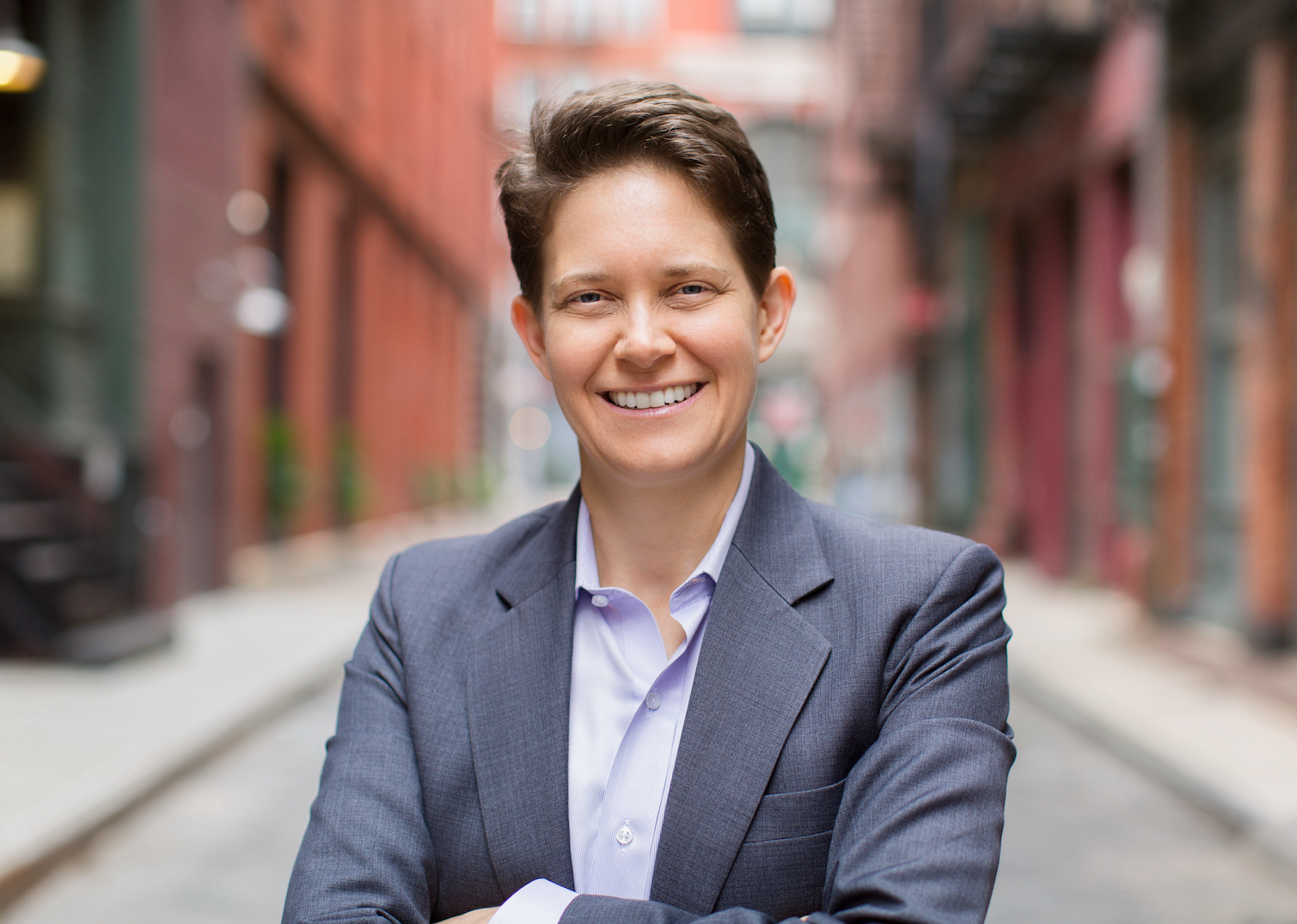
Dorie Clark has been named one of the Top 50 business thinkers in the world by both Thinkers50 and Inc. magazine. She is a keynote speaker and teaches executive education at Columbia Business School. She is also the Wall Street Journal and USA Today bestselling author of The Long Game, Entrepreneurial You, Reinventing You and Stand Out, which was named the #1 Leadership Book of the year by Inc. magazine. A former presidential campaign spokeswoman, she writes frequently for the Harvard Business Review and Fast Company.
CONNECT WITH DORIE:

Subscribe & leave a review!
If you enjoyed this episode, you can show your support by leaving a review, subscribing, or sharing your biggest takeaways on your Instagram story! Just remember to tag me @alleagrummert so I can see it.
Subscribe on Apple Podcasts or Spotify

About Allea

Allea Grummert is an email marketing strategist, copywriter and tech expert who helps bloggers and content creators make a lasting first impression through automated welcome & nurture sequences. She helps her clients build intentional email strategies that engage readers, build brand loyalty and optimize conversions for sales and site traffic.
Allea is the host of the Happy Subscribers podcast, holds the coveted spot as the email marketing industry expert for the Food Blogger Pro membership community, is a Recommended Expert through NerdPress, a trusted Mediavine partner and recognized as a Kit Approved Expert.

Looking for more ways I can help you?
Book a free call with me (no-pressure zone, promise!) and we’ll chat more about what would benefit your business most in this season.
More like this!:

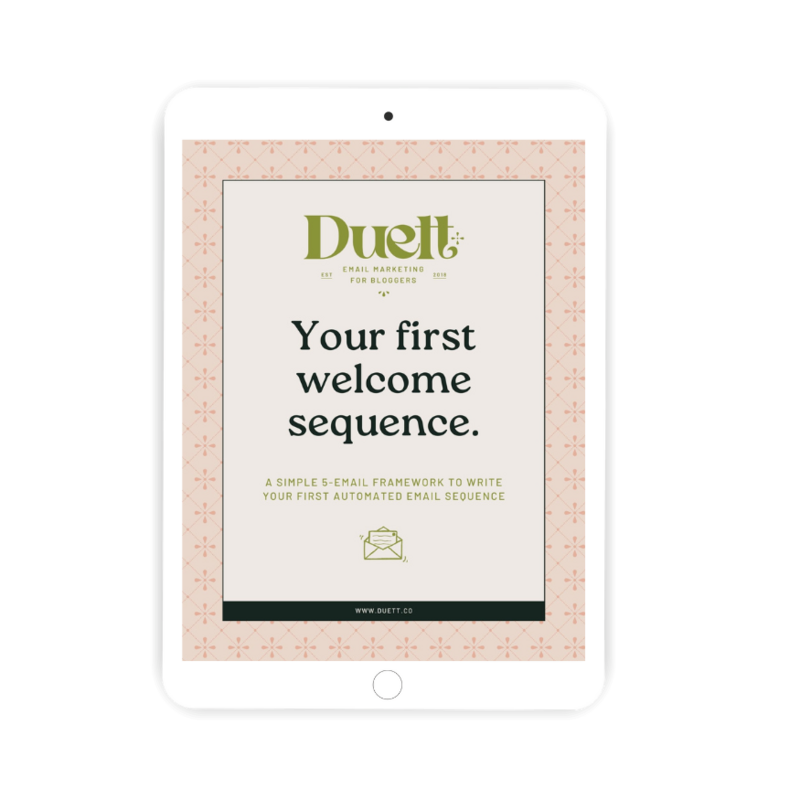
If you’re not welcoming new subscribers and pointing them in the direction of your best, most beloved content — or you feel like the one you have isn’t doing the trick — it’s time we fix that. Use this free 5-part framework to make a meaningful & lasting first impression as you write your first welcome sequence for new email subscribers!
Is Your Welcome Sequence Making a Lasting First Impression?